



PROFILE
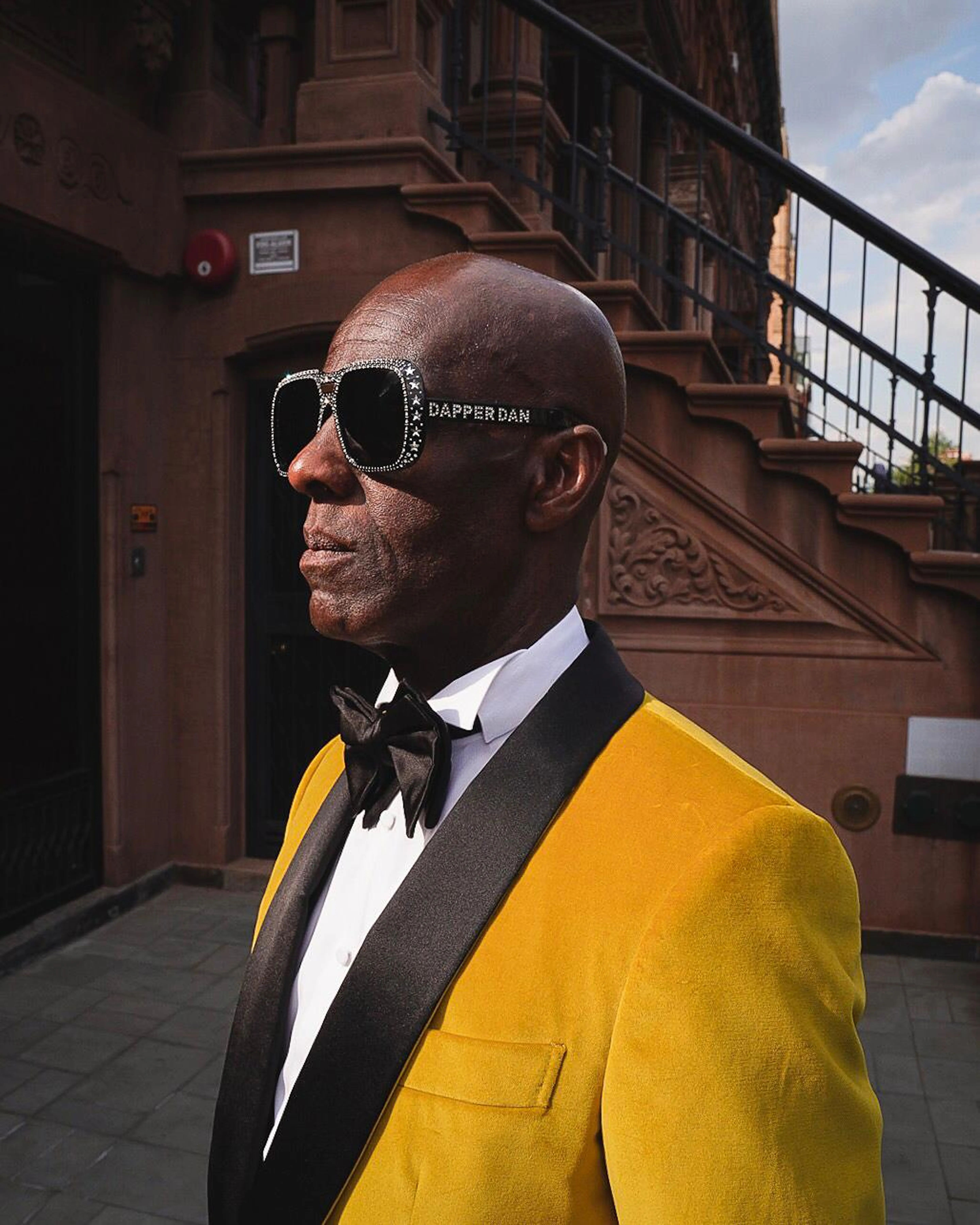
Born Daniel Day in Harlem in 1944, Dapper Dan grew up in poverty, dropped out of school, and hustled his way through a turbulent early life — including an arrest and rehab — before a trip to Africa changed everything. There, he watched a Liberian tailor craft a suit from scratch; he returned to New York with a new calling.
In 1982, he opened Dapper Dan’s Boutique on 125th Street, a store that ran 24 hours a day, seven days a week, because the luxury brands whose logos he was reimagining wouldn’t sell to Black customers. What he built inside was a revolution. Custom leather goods, fur coats, and garments adorned with oversized Gucci, Louis Vuitton, and Fendi logos became the uniform of hip-hop royalty — worn by LL Cool J, Salt-N-Pepa, Eric B. & Rakim, and countless others. The luxury houses eventually shut him down through lawsuits, and his boutique closed in 1992. But the culture never forgot him.
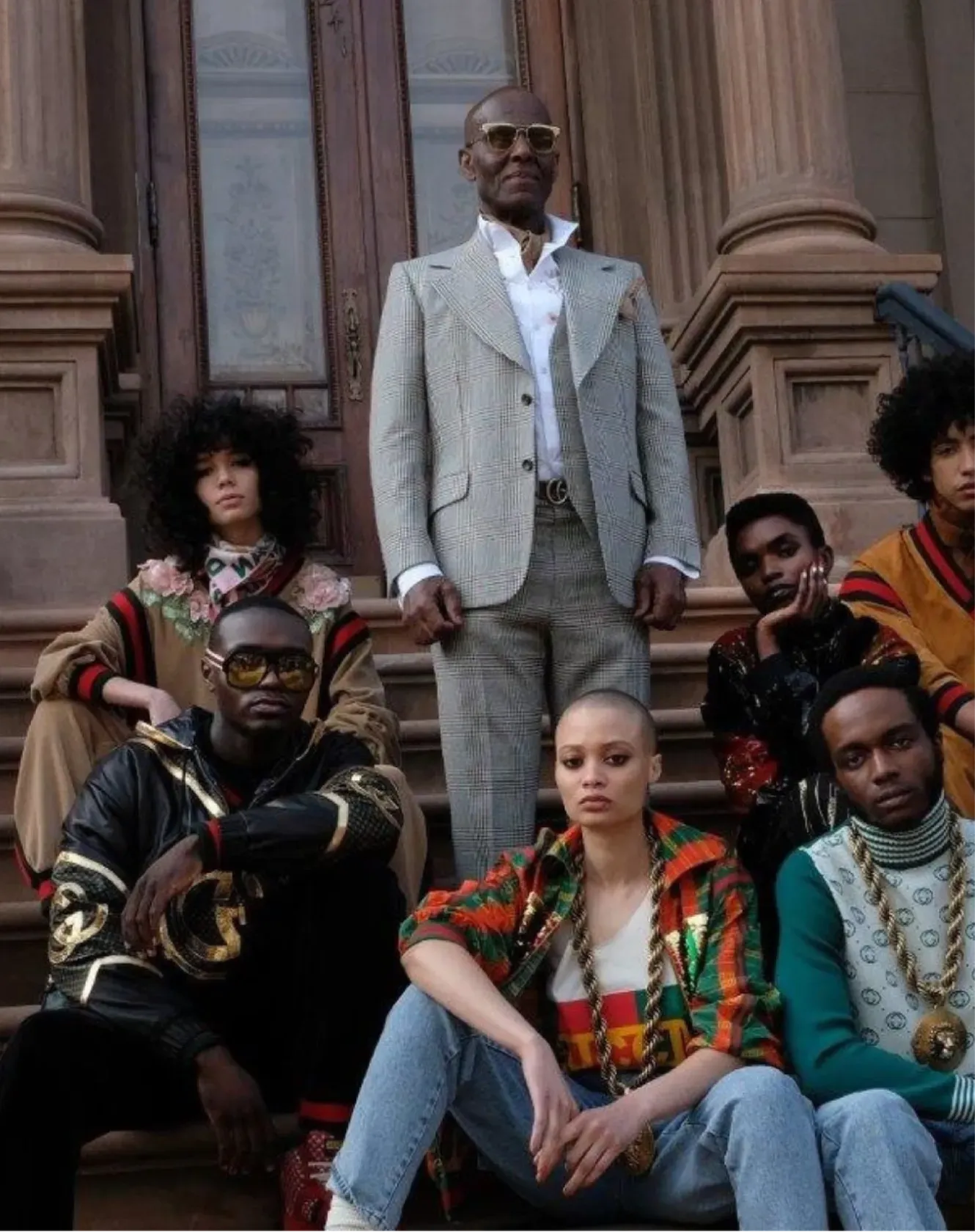
Vindication came in 2017 when Gucci’s Alessandro Michele debuted a jacket that bore an unmistakable resemblance to a 1989 Dapper Dan original. The public backlash prompted Gucci to acknowledge his influence directly, and what followed was a full partnership, culminating in the 2018 opening of Dapper Dan’s of Harlem, a Gucci-backed bespoke atelier.
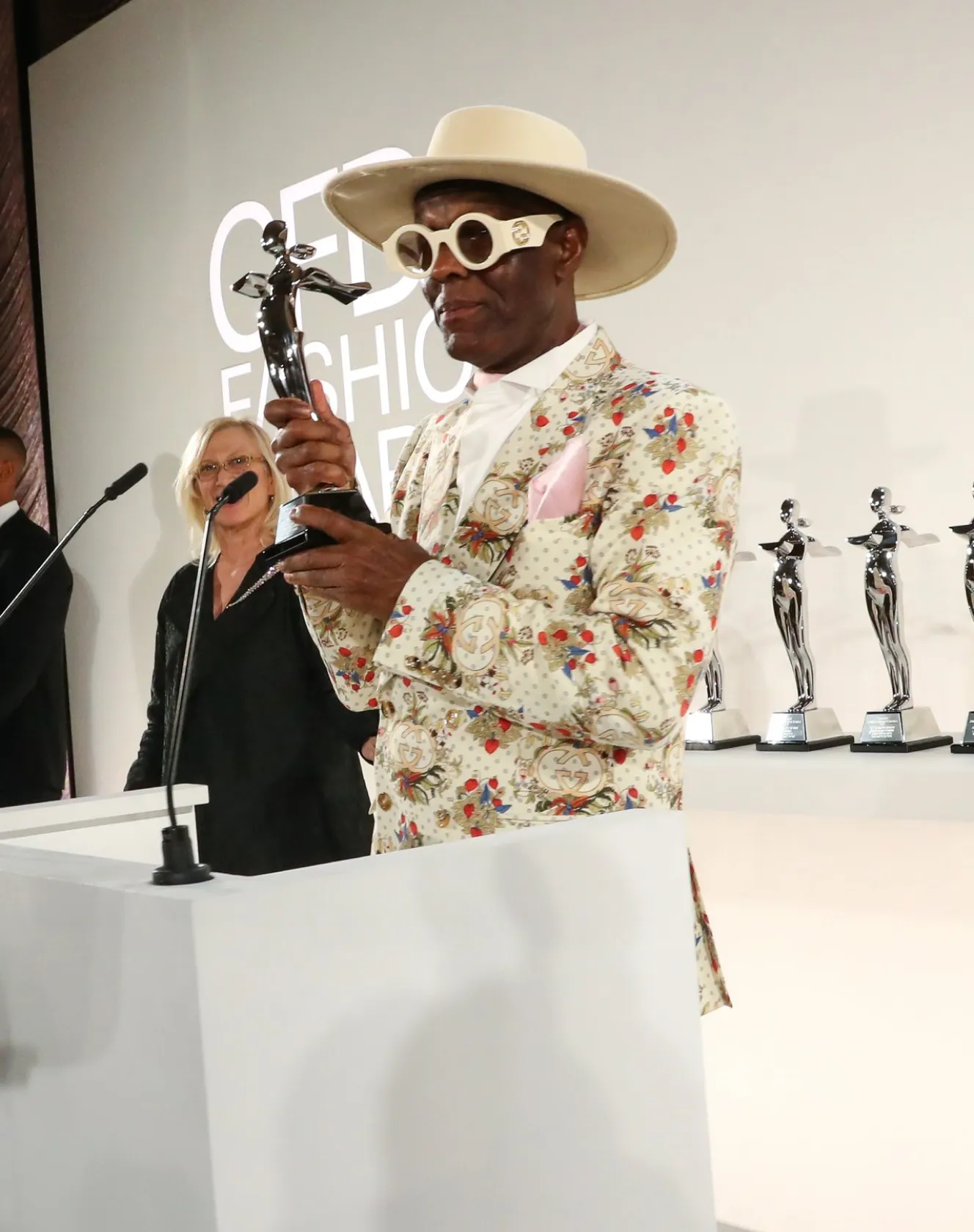
In 2021, he became the first Black designer to receive the CFDA’s Geoffrey Beene Lifetime Achievement Award and the first to win it without ever having staged a formal runway show. Previous recipients include Calvin Klein, Vera Wang, and Giorgio Armani.
In 2024, his DAP GAP western-inspired collection with Gap became a commercial sensation, and he was named the first Creative Director of Sherwin-Williams’ Kingdom Gold collection. In May 2025, he served on the Met Gala Host Committee for “Superfine: Tailoring Black Style,” the exhibition that finally gave institutional recognition to the tradition of Black dandyism he had championed his entire career.